Asphalt Shingle Roof Replacement
Worn shingle roofs stripped and rebuilt with ice and water shield for New England winters.
Roofing · Chimneys · Brick · Stone
Shingle, slate, flat and metal roofs, ice dams, historic chimneys, brick repointing, foundations and granite steps, from Somerville and Cambridge to Milton, Needham and Concord.
Water dripping at the eaves in winter? That is often an ice dam, so call before it reaches the ceiling.
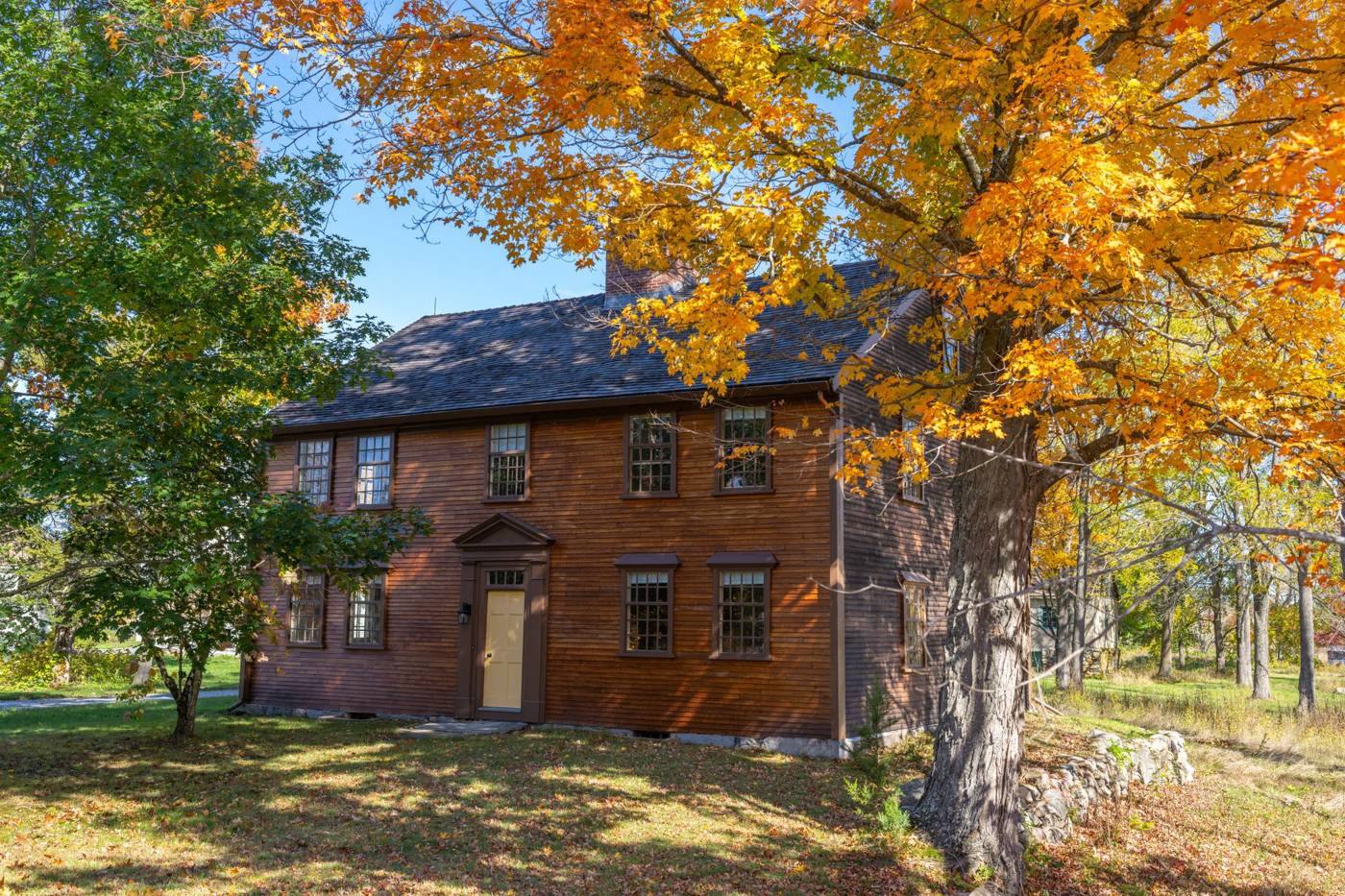
Around Boston, many homes were built long before modern building codes. Victorians carry slate roofs and copper flashing, triple-deckers rely on flat roofs that have been patched for decades, and colonials and capes sit on fieldstone foundations that seep every spring. Brick chimneys rise through all of them, and their mortar takes the brunt of the weather.
The winters are what test them. Nor'easters dump heavy, wet snow that can sit on a roof for weeks, and repeated freeze-thaw cycles pry at every joint. The winter of 2014 to 2015 showed how quickly ice dams can form when heat escapes into an attic, pushing meltwater under shingles and into ceilings across the region.
Roofing and masonry meet at the most vulnerable spots: where a chimney passes through the roof, where a parapet or wall joins it, and where flashing ties the two together. Handling both trades means one crew can follow a leak from the stain on your ceiling back to the joint, slate or flashing that let the water in.
What we do
Shingle, slate, flat and metal roofs, plus chimneys, brick, foundations and granite steps.
Worn shingle roofs stripped and rebuilt with ice and water shield for New England winters.
Leaks traced to the valley, vent boot, skylight or flashing that let them in.
Ice dams cleared and roof snow removed, then the attic causes looked at.
Slate roofs repaired slate by slate, with copper valleys and flashing renewed.
Low-slope roofs on triple-deckers, additions and commercial buildings repaired or replaced.
Standing seam roofs and porch roofs that shed snow and last for decades.
Old brick chimneys repointed, rebuilt from the roofline and capped.
Leaking chimney flashing, cracked crowns and missing caps put right.
Worn mortar joints cut out and refilled in a mortar suited to old New England brick.
Cracks and leaks in fieldstone, block and poured foundations repaired and sealed.
Front steps, stoops and retaining walls reset, repointed or rebuilt.
Stone veneer repaired and brick or stone patios and walkways laid or relaid.
Why Prime Roofing & Masonry
Ice and water shield along every eave, valley and wall, because a Boston roof has to cope with weeks of snow sitting on it.
Ice dams start with heat escaping into the attic. We look at insulation and ventilation, not only at the icicles.
Where the chimney meets the roof is a common leak point. One crew handles both the brick and the flashing.
Nineteenth-century brick is soft. A hard modern mortar can crack it, so we match joints to the age of the wall.
Slate roofs can last generations. We replace broken slates and renew copper valleys before suggesting replacement.
Few owners climb a three-story roof. You see the flashing, the crown and the slates the way we saw them.
Questions
Heat from the house warms the attic and melts snow on the upper roof. The water runs down to the cold eaves and refreezes, building a ridge of ice that backs water under the shingles. Better attic insulation and ventilation are the long-term fix.
After heavy storms, clearing the lower few feet of the roof from the ground with a roof rake can help prevent ice dams. Do not climb onto a snowy roof yourself. If snow is very deep or ice has formed, call for help.
Usually, if most slates are sound. Good slate can last far longer than shingles, and broken pieces can be swapped one at a time. When slates are soft, flaking or falling across whole slopes, replacement starts to make more sense.
Common causes are worn flashing where the chimney meets the roof, a cracked crown on top, a missing cap, or porous brick and mortar. Each needs a different fix, so finding the actual entry point comes first.
Tell us about the roof, the chimney or the wall that worries you. We will look, explain what we find and lay out your options.