Greater Boston
Foundation Crack Repair & Sealing
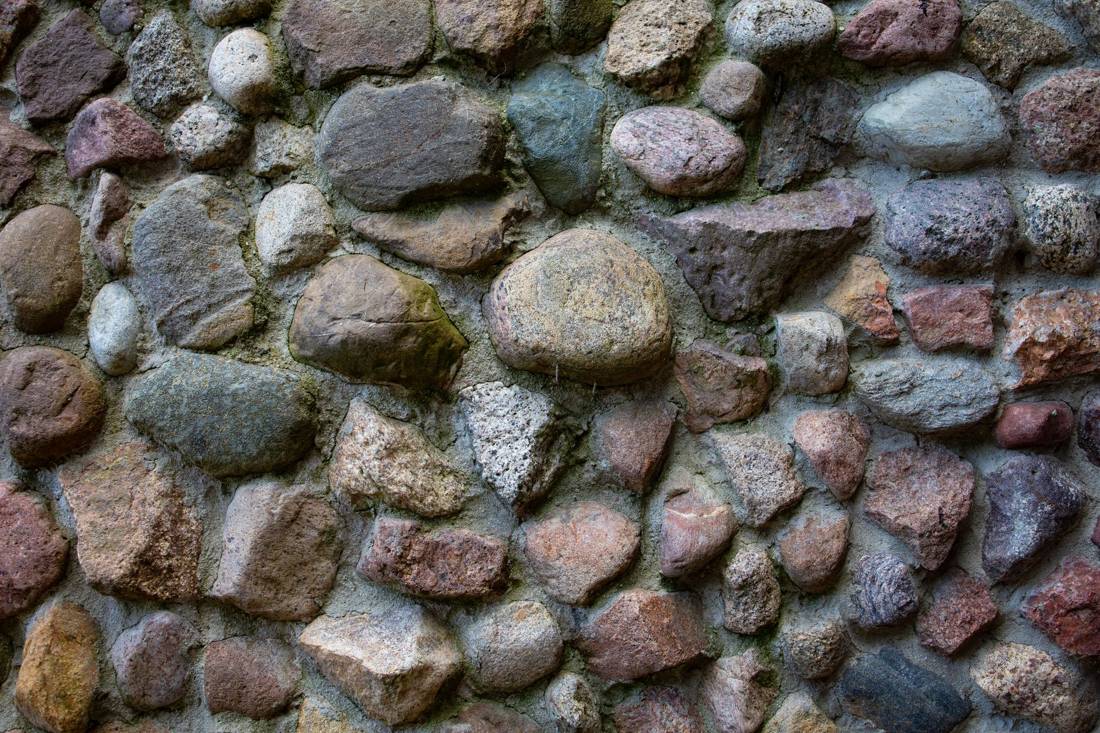
Fieldstone, block and poured foundations all let in water when cracks and joints open. We repair and seal them so the basement stays drier through spring.
Understanding the job
Foundation cracks are a common concern for Boston homeowners, especially with the region's harsh winters and fluctuating temperatures. Water seeping through these cracks can lead to basement flooding, mold growth, and compromise the structural integrity of your home. Our masonry specialists assess the type and severity of each crack to determine the most effective repair strategy, ensuring a lasting solution.
Ignoring foundation cracks can escalate minor issues into significant structural problems over time. The freeze-thaw cycles common in New England can expand small cracks, allowing more water to penetrate and weaken the foundation. Professional repair and sealing not only prevent water damage but also help maintain the overall stability and value of your property, safeguarding your investment.
In a New England winter
Boston-area homes, including historic brick rowhouses and suburban capes, are particularly vulnerable to foundation issues due to New England's challenging climate. Repeated freeze-thaw cycles during winter, heavy snow, and springtime thaws can exacerbate existing cracks and create new ones. Many older homes sit on fieldstone or granite foundations that can be prone to seepage. Addressing foundation cracks promptly is crucial for maintaining structural integrity and preventing water damage in basements and crawl spaces, which is common after nor'easters and heavy wet snow.
Choices
Choices for your home
Epoxy Injection
Epoxy injection is suitable for structural cracks, bonding the concrete back together. It fills the entire crack, restoring the foundation's original strength and preventing further movement. This method is often used for wider, deeper cracks.
Polyurethane Injection
Polyurethane injection is effective for sealing active water leaks in non-structural cracks. The material expands upon contact with water, forming a flexible, watertight seal that adapts to minor foundation shifts over time.
Hydraulic Cement
Hydraulic cement is a fast-setting, waterproof material ideal for patching cracks and holes that are actively seeping water. It expands as it sets, creating a tight seal that stops leaks quickly, often used for minor repairs.
Exterior Membrane Sealing
For extensive or recurring issues, an exterior waterproof membrane can be applied after crack repair. This provides a comprehensive barrier against moisture, protecting the entire foundation wall from water intrusion.
Step by step
How the work proceeds
- 1
Initial Inspection
We conduct a thorough inspection of your foundation to identify all cracks, assess their type, and determine potential causes. This step helps us tailor a precise repair plan for your home.
- 2
Surface Preparation
The crack area is carefully cleaned to remove loose debris, dirt, and any efflorescence. Proper preparation ensures that the repair materials adhere effectively and create a strong bond.
- 3
Crack Repair
Depending on the crack type, we apply appropriate repair materials such as epoxy, polyurethane, or hydraulic cement. Each material is chosen for its specific properties to seal and reinforce the foundation.
- 4
Final Sealing
After the repair material cures, a final sealant may be applied to the exterior or interior to provide an additional layer of protection against water penetration. This enhances durability.
Questions
Homeowner questions about foundation crack repair & sealing
How serious are small foundation cracks?
Small cracks, even hairline ones, should not be ignored. While some are merely cosmetic, others can indicate underlying issues or become entry points for water. The freeze-thaw cycles in Boston can cause small cracks to expand significantly, leading to more serious structural problems and water infiltration over time, so assessment is important.
What causes foundation cracks in homes around Boston?
Foundation cracks often result from soil settlement, hydrostatic pressure from saturated soil, or repeated freeze-thaw cycles. The heavy, wet snow and subsequent thaws common in New England winters put stress on foundations. Poor drainage around the home can also contribute to increased pressure against foundation walls, especially with older fieldstone foundations.
How long does a typical foundation crack repair take?
The duration of a foundation crack repair depends on the number, size, and type of cracks. Most standard crack repairs can be completed within a single day. More extensive repairs involving multiple cracks or exterior excavation might take longer, but we provide a clear timeline after our initial assessment.
Will foundation crack repair prevent future water in my basement?
Professional foundation crack repair and sealing significantly reduce the likelihood of water entering your basement through those specific cracks. However, comprehensive waterproofing may involve additional measures like improved drainage, gutter maintenance, or exterior waterproofing membranes to address all potential sources of water infiltration into your home.
More roofing and masonry
- Asphalt Shingle Roof Replacement
- Roof Leak Repair
- Ice Dam & Roof Snow Removal
- Slate & Copper Roofing
- Flat Roofs: EPDM, TPO & Rubber
- Metal Roofing
- Historic Chimney Repair & Rebuilding
- Chimney Flashing & Crowns
- Brick Repointing & Tuckpointing
- Granite Steps, Stoops & Retaining Walls
- Stone Veneer, Patios & Walkways
Ready before the next nor'easter?
Tell us about the roof, the chimney or the wall that worries you. We will look, explain what we find and lay out your options.