Greater Boston
Chimney Flashing & Crowns
Most chimney leaks start at the flashing or a cracked crown. We renew step and counter flashing, recast crowns and add caps that keep water and animals out.
Understanding the job
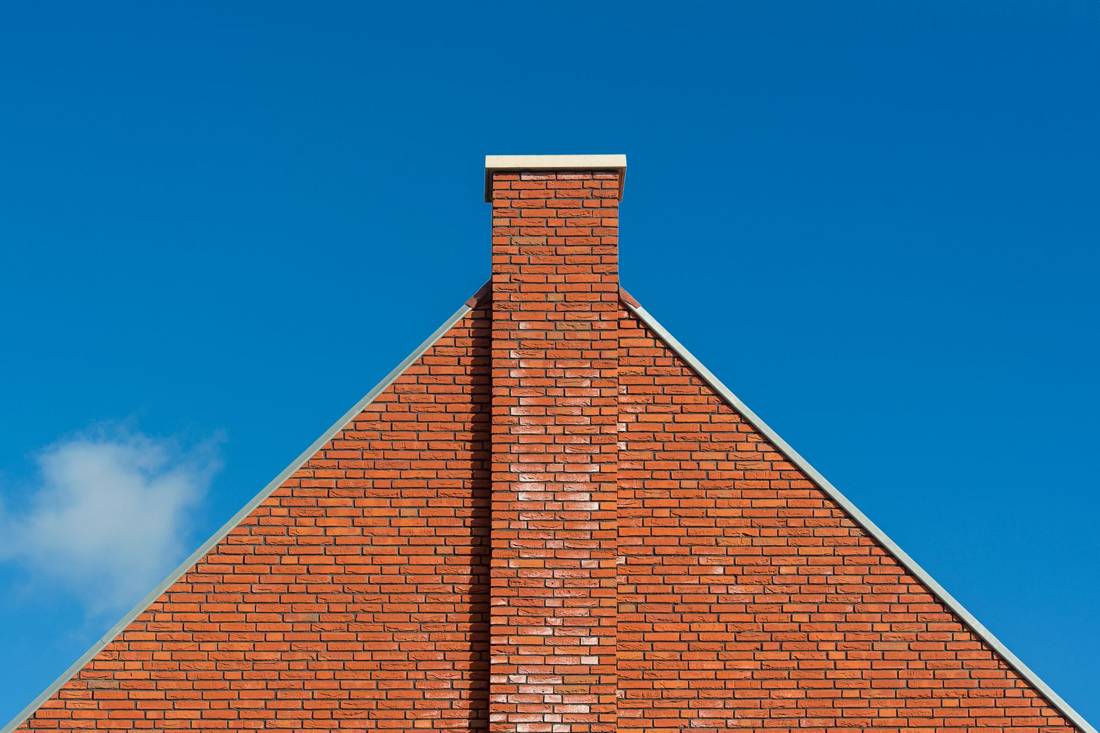
Chimney flashing forms a watertight seal where the chimney meets the roof, diverting water away from this critical penetration point. Over time, flashing can corrode, crack, or pull away, creating pathways for water to enter your home. Addressing flashing issues promptly helps prevent extensive damage to your roof decking, attic, and interior walls.
The chimney crown, often made of concrete or mortar, caps the top of the chimney stack, protecting the masonry below from rain and snow. Cracks or deterioration in the crown allow water to penetrate the brickwork, leading to freeze-thaw damage and eventual structural compromise. Regular inspection and maintenance of your chimney crown are important for its longevity.
In a New England winter
In Boston and throughout New England, homes endure harsh winters with heavy snow, ice, and repeated freeze-thaw cycles. These conditions put significant stress on chimney flashing and crowns. Ice dams, common in our region, can force water under compromised flashing, leading to leaks. A well-maintained chimney crown and correctly installed flashing are vital for protecting homes, including triple-deckers and historic brick rowhouses, from water damage caused by nor'easters and melting snow. Neglecting these areas can result in major repairs to attics, ceilings, and internal structures.
Choices
Choices for your home
Copper Flashing
Copper flashing offers durability and a distinct aesthetic. It resists corrosion well and develops a protective patina over time. Often chosen for historic homes or those seeking a premium, long-lasting solution, it can complement slate or asphalt roofs.
Aluminum Flashing
Aluminum flashing is a common, practical choice. It is lightweight, resistant to rust, and available in various colors to match roofing materials. It provides a reliable barrier against water infiltration when properly installed.
Lead Flashing
Lead flashing is highly malleable, allowing it to be shaped precisely to chimney contours. It offers excellent longevity and forms a tight seal. Often found on older homes, it remains a viable option for certain applications.
Concrete Crown Replacement
A new concrete crown provides a sturdy and long-lasting cap for your chimney. Poured with a proper overhang and drip edge, it effectively directs water away from the masonry, offering superior protection against weather elements.
Step by step
How the work proceeds
- 1
Initial Inspection
We assess the chimney flashing, crown, and surrounding roof areas. This helps identify the extent of wear, damage, and potential water entry points. We look for material fatigue and structural issues.
- 2
Surface Preparation
The existing damaged flashing or crown material is carefully removed. The area is cleaned of debris, loose mortar, and old sealants to ensure a proper bond for new materials. This step is critical for durability.
- 3
New Flashing Installation
New flashing, often custom-bent for a precise fit, is installed. This includes base flashing, counter flashing, and step flashing, all integrated with the roofing materials to create a watertight seal.
- 4
Crown Repair or Replacement
For crowns, damaged sections are repaired with appropriate mortar or a new concrete crown is poured. Proper slope and drip edges are formed to shed water effectively, protecting the masonry below.
Questions
Homeowner questions about chimney flashing & crowns
How often should chimney flashing and crowns be inspected?
It is advisable to have your chimney flashing and crown inspected annually, ideally during a routine roof or chimney check. This allows for early detection of wear, cracks, or corrosion before they develop into significant water penetration issues. Proactive inspections help extend the life of your chimney and roof.
What is the difference between base and counter flashing?
Base flashing is installed first, directly onto the roof surface and up the chimney. Counter flashing is then installed into the chimney's mortar joints and bent down to overlap the base flashing. This layered system allows for movement between the roof and chimney while maintaining a watertight seal.
Can a chimney crown be repaired, or does it always need replacement?
Minor cracks or surface deterioration in a chimney crown can often be repaired using specialized sealants or patching compounds. However, if the crown has extensive cracking, spalling, or is structurally compromised, a full replacement is usually the more durable and effective solution to ensure long-term protection.
What causes chimney flashing to fail?
Chimney flashing can fail due to several factors, including age, exposure to harsh weather, improper installation, or movement of the house. Corrosion, tearing, or pulling away from the chimney or roof are common issues. Ice dams can also damage flashing by forcing water underneath it.
More roofing and masonry
- Asphalt Shingle Roof Replacement
- Roof Leak Repair
- Ice Dam & Roof Snow Removal
- Slate & Copper Roofing
- Flat Roofs: EPDM, TPO & Rubber
- Metal Roofing
- Historic Chimney Repair & Rebuilding
- Brick Repointing & Tuckpointing
- Foundation Crack Repair & Sealing
- Granite Steps, Stoops & Retaining Walls
- Stone Veneer, Patios & Walkways
Ready before the next nor'easter?
Tell us about the roof, the chimney or the wall that worries you. We will look, explain what we find and lay out your options.