Greater Boston
Historic Chimney Repair & Rebuilding
Older chimneys lose mortar and lean after years of freeze-thaw. We repoint what is sound, rebuild from the roofline when needed and cap the top.
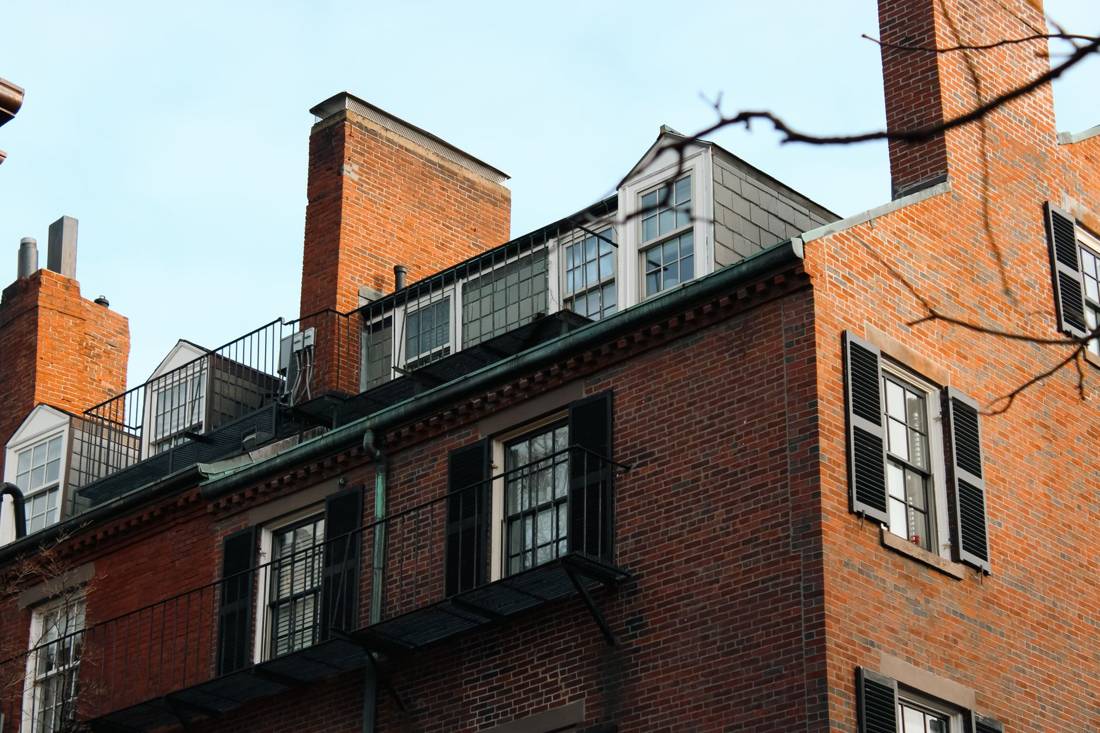
Understanding the job
Historic homes around Boston often feature chimneys built with traditional materials and methods that require specific expertise for repair. Over decades, exposure to New England's harsh weather, including nor'easters and repeated freeze-thaw cycles, can degrade mortar joints and brickwork. Proper restoration respects the original construction while improving durability against future weather events, maintaining the aesthetic character of your property.
Repairing or rebuilding an older chimney involves more than just replacing damaged parts. It requires an understanding of period-appropriate materials, such as softer lime-rich mortars for old soft brick, to ensure compatibility and longevity. Addressing issues like water penetration, flue damage, and structural instability protects your home from potential hazards and preserves its historical value for years to come.
In a New England winter
Homes throughout Boston and surrounding New England towns face particular stress on their chimneys. The region's severe winters, characterized by heavy wet snow, nor'easters, and repeated freeze-thaw cycles, cause significant wear on masonry. Older homes, including triple-deckers, brownstones, and Victorians, often have chimneys built with materials vulnerable to these conditions. Proper historic repair is crucial to prevent water penetration, which can lead to interior damage and structural issues. Preserving these chimneys helps maintain the architectural heritage of neighborhoods like those in Cambridge, Brookline, and Boston's historic districts, while ensuring warmth and safety through cold winters.
Choices
Choices for your home
Historic Mortar Matching
Using lime-rich mortar is crucial for older, softer bricks common in historic Boston homes. This softer mortar allows for natural expansion and contraction, preventing stress on the brickwork and ensuring the chimney breathes as intended over time, unlike modern Portland cement mortars.
Brick Matching & Sourcing
Finding bricks that closely match your existing historic chimney is essential for aesthetic consistency. We work to source appropriate salvaged or custom-made bricks that blend in with your home's original construction, preserving its historical appearance.
Flue Liner Installation
Damaged or missing flue liners are a common issue in older chimneys. We can install new clay tile or stainless steel liners to improve safety and efficiency. A sound flue liner is important for containing combustion byproducts and protecting the chimney structure.
Chimney Crown Replacement
The chimney crown is the top slab that protects the chimney stack from water penetration. We replace cracked or deteriorated crowns with durable concrete or stone, ensuring proper overhang and drip edges to direct water away from the masonry.
Step by step
How the work proceeds
- 1
Initial Inspection
We conduct a thorough assessment of your chimney's exterior and interior. This includes examining brickwork, mortar, chimney crown, flashing, and flue liner to identify all areas needing attention and determine the extent of damage.
- 2
Material Selection
We select materials appropriate for your historic home, such as matching brick types and using lime-based mortars. This ensures compatibility with existing construction and helps maintain the original aesthetic and structural integrity of the chimney.
- 3
Careful Demolition
Damaged sections of the chimney are carefully removed, minimizing disruption to surrounding structures. We prioritize preserving salvageable materials and ensuring a clean, stable base for the new construction or repair work.
- 4
Rebuilding & Repair
New brickwork is laid, mortar joints are properly tooled, and any necessary flue repairs are completed. We ensure correct flashing installation and a durable chimney crown to protect against future water intrusion and weather damage.
Questions
Homeowner questions about historic chimney repair & rebuilding
Why is historic chimney repair different from modern chimney repair?
Historic chimneys often use different materials and construction techniques, such as softer bricks and lime-based mortars, which require a specialized approach. Modern Portland cement mortars can be too rigid for old bricks, causing accelerated deterioration. Understanding these differences is key to a lasting repair that respects the original structure.
Do I need a permit for chimney repair or rebuilding in the Boston area?
Yes, significant chimney repair or rebuilding work typically requires a permit from your local building department. This ensures the work meets safety codes and structural standards. We can help guide you through the permitting process to ensure all necessary approvals are obtained before work begins.
How do New England winters affect historic chimneys?
New England winters, with their heavy snow, ice, and frequent freeze-thaw cycles, are particularly hard on historic chimneys. Water penetrates cracks and mortar joints, freezes, expands, and causes masonry to spall or crack. This repeated stress accelerates deterioration, making regular maintenance and timely repairs important.
What is spalling, and why does it happen to old bricks?
Spalling is when the face of a brick peels or flakes off. It often occurs in older bricks due to moisture absorption and subsequent freeze-thaw cycles. Water penetrates the brick, freezes, expands, and forces the surface layer to detach. Using appropriate repair methods and materials helps prevent further spalling.
More roofing and masonry
Ready before the next nor'easter?
Tell us about the roof, the chimney or the wall that worries you. We will look, explain what we find and lay out your options.