Greater Boston
Brick Repointing & Tuckpointing
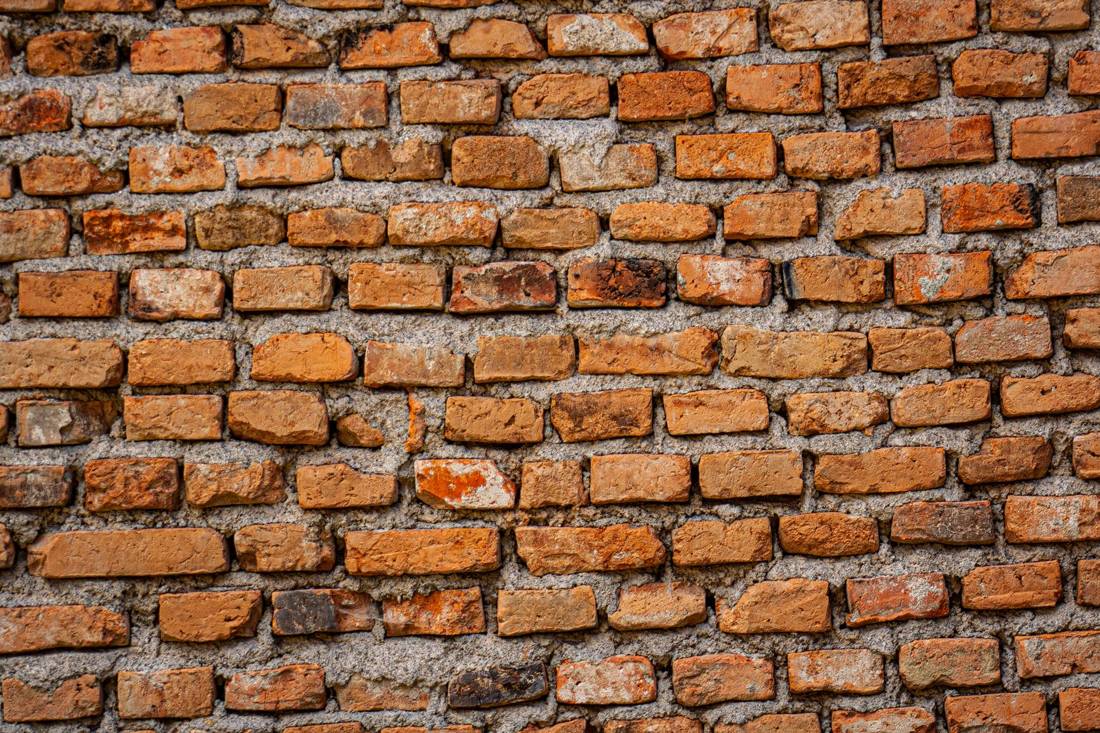
Worn joints let water into the wall and push the brick apart in freezing weather. We cut out the old mortar and refill it with a mix that suits historic brick.
Understanding the job
Over time, the mortar joints between bricks can deteriorate due to weather exposure, age, and moisture. Repointing involves removing old, damaged mortar and replacing it with fresh, durable material. This process is essential for maintaining the structural stability of brick walls, preventing water penetration, and enhancing the overall aesthetic of your property. Addressing mortar deterioration promptly can extend the lifespan of your brickwork.
Tuckpointing is a specialized form of repointing that creates a very fine, uniform mortar joint. After the old mortar is removed and new mortar applied, a thin line of contrasting lime putty is inserted to create the illusion of very fine joints. This technique not only strengthens the masonry but also significantly improves its visual appeal, often found on historic brick homes and brownstones, giving a crisp, refined finish.
In a New England winter
Boston and New England homes endure severe weather, including nor'easters and repeated freeze-thaw cycles. These conditions accelerate mortar deterioration, leading to water infiltration and structural issues. Brick rowhouses, brownstones, and triple-deckers are particularly susceptible. Proper repointing and tuckpointing are crucial for protecting these properties from moisture damage, preventing ice dams from forming in walls, and maintaining the historical character of older homes in neighborhoods and towns with architectural review boards. Addressing mortar damage is a key part of preserving these structures.
Choices
Choices for your home
Traditional Lime Mortar
Essential for older homes, especially those with soft, historic bricks. Lime mortar is breathable and flexible, accommodating the natural movement and moisture cycles of older masonry without causing damage. It prevents moisture from being trapped within the brick.
Portland Cement Mortar
A common choice for modern brickwork due to its strength and rapid curing. While durable, it is less flexible than lime mortar and may not be suitable for historic brick structures, which require softer materials to prevent stress.
Colored Mortar Matching
Achieving a precise color match for new mortar is important for a cohesive appearance. We blend pigments to match your existing mortar, ensuring the repaired areas blend naturally with the surrounding brickwork.
Weather-Struck Joints
This finishing technique creates a sloped joint that sheds water effectively, protecting the mortar from excessive moisture exposure. It is a practical choice for areas prone to heavy rain and snow, common in New England.
Step by step
How the work proceeds
- 1
Assessment and Preparation
We inspect your brickwork to determine the extent of mortar damage and identify the original mortar type. The area is cleaned, and any loose debris is removed to prepare for mortar removal.
- 2
Mortar Removal
Damaged mortar is carefully removed to a consistent depth, typically using specialized grinders or hand tools. This ensures a clean surface for the new mortar to bond properly.
- 3
Mortar Matching and Application
New mortar is custom-matched in color and composition to blend with your existing masonry. It is then carefully applied in layers, ensuring full compaction and a strong bond.
- 4
Joint Finishing and Curing
The new mortar joints are tooled to match the original profile, providing a consistent finish. The repointed area is then allowed to cure properly, often requiring misting to ensure strength.
Questions
Homeowner questions about brick repointing & tuckpointing
How often should brickwork be repointed?
The frequency depends on factors like mortar type, weather exposure, and original workmanship. Generally, brickwork may need repointing every 25 to 50 years. Regular inspection can help identify early signs of deterioration before they become extensive and major to repair, especially after harsh New England winters.
What is the difference between repointing and tuckpointing?
Repointing involves removing damaged mortar and replacing it with new mortar that matches the original. Tuckpointing is a specific repointing method where the new mortar is applied, and then a thin, contrasting line of lime putty is inserted to create the illusion of very fine, precise joints for aesthetic appeal.
Can I do repointing myself?
Repointing is a skilled craft that requires specific tools, knowledge of mortar types, and experience to achieve durable and aesthetically pleasing results. Improper repointing can damage bricks, lead to further moisture issues, and compromise the structural integrity of the wall. It is generally best left to professionals.
How long does repointing take?
The duration varies based on the size of the area, the extent of damage, and weather conditions. A small section might take a day, while a large wall could take several days or weeks. We provide an estimated timeline after assessing your project.
More roofing and masonry
- Asphalt Shingle Roof Replacement
- Roof Leak Repair
- Ice Dam & Roof Snow Removal
- Slate & Copper Roofing
- Flat Roofs: EPDM, TPO & Rubber
- Metal Roofing
- Historic Chimney Repair & Rebuilding
- Chimney Flashing & Crowns
- Foundation Crack Repair & Sealing
- Granite Steps, Stoops & Retaining Walls
- Stone Veneer, Patios & Walkways
Ready before the next nor'easter?
Tell us about the roof, the chimney or the wall that worries you. We will look, explain what we find and lay out your options.