Greater Boston
Ice Dam & Roof Snow Removal
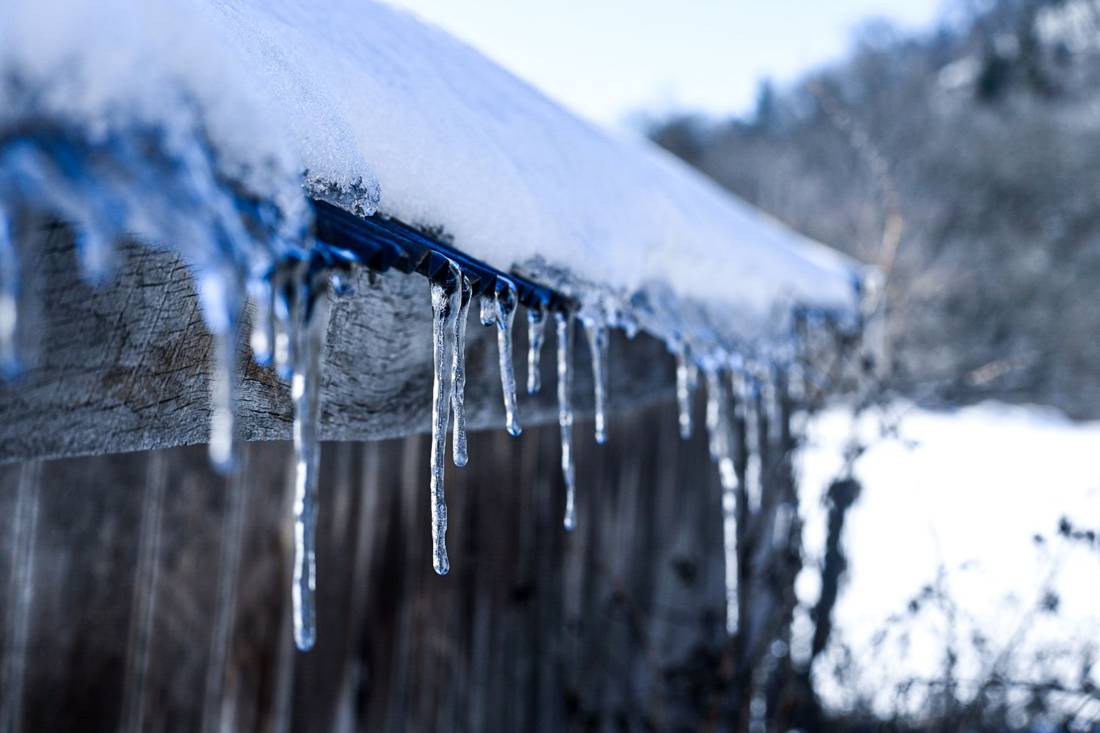
When icicles thicken and water appears inside during a thaw, ice dams are holding meltwater on the roof. We clear the eaves and look at the attic heat that started it.
Understanding the job
Heavy snow and repeated freeze-thaw cycles in New England winters often lead to ice dam formation. These ice formations can cause significant damage to your roof, gutters, and even the interior of your home. When attic heat melts roof snow that then refreezes at the colder eaves, an ice dam can form. This blocks proper drainage, allowing water to back up under shingles and into your attic or walls.
Removing heavy snow from your roof also prevents structural strain and helps avoid ice dam development. Our professional team uses safe and effective methods to clear snow and remove ice dams, protecting your property from leaks, damaged insulation, and compromised structural integrity. Prompt action can prevent extensive and major repairs later in the season.
In a New England winter
Boston's triple-deckers, historic brownstones, and suburban capes are all vulnerable to ice dams during harsh New England winters. The record snow of 2014-2015 showed how quickly these issues can arise, leading to widespread leaks and damage across the region. With heavy wet snow and repeated freeze-thaw cycles common, proper roof snow and ice dam removal is essential. Many homes, especially older ones, may have less insulation or ventilation, making them more susceptible. Protecting your roof and attic from ice dam related water damage is a critical winter maintenance task for homes in Boston and surrounding towns.
Choices
Choices for your home
Steam Ice Dam Removal
This method uses gentle steam to melt ice dams without causing damage to shingles, flashing, or gutters. It is a controlled and effective way to clear ice, suitable for various roofing materials including slate and asphalt.
Manual Snow Raking
For lighter snow loads or preventative measures, manual snow raking from the ground or a ladder can reduce the risk of ice dam formation. This method is quick and helps keep snow from accumulating at the eaves.
Gutter & Downspout Clearing
As part of the removal service, we can clear ice and debris from gutters and downspouts. This ensures that meltwater can drain freely, preventing backups and potential water infiltration into your home.
Roof Snow Management
Beyond immediate removal, we can discuss strategies for managing snow accumulation on your roof throughout the winter. This might involve regular clearing or advice on improving attic ventilation to reduce heat loss.
Step by step
How the work proceeds
- 1
Initial Assessment
We inspect your roof and the extent of snow and ice accumulation. This helps us determine the safest and most effective removal strategy for your specific roof type and property.
- 2
Safe Snow Removal
Our team carefully removes heavy snow loads from your roof using specialized tools. This reduces stress on the roof structure and prepares for ice dam mitigation without harming shingles.
- 3
Ice Dam Mitigation
We use low-pressure steam to melt ice dams safely and efficiently. This method avoids the damage that can be caused by blunt force or harsh chemicals, protecting your roofing materials.
- 4
Clear Drainage Paths
After removing the ice dam, we ensure that your gutters and downspouts are clear. This restores proper water flow and helps prevent future ice dam formation during subsequent thaws.
Questions
Homeowner questions about ice dam & roof snow removal
Why do ice dams build up at the eaves?
Ice dams form when heat from the attic warms the roof deck, melting snow. This meltwater then flows down to the colder eaves and gutters, where it refreezes. This creates a barrier of ice that prevents subsequent meltwater from draining off the roof, causing it to back up under shingles and into the home.
What are the signs of an ice dam?
Common signs include large icicles forming behind your gutters, visible ice buildup along the roof's edge, and Discolored patches on inside walls or ceilings. You might also notice sagging gutters or displaced shingles caused by the weight and expansion of ice. Prompt inspection can prevent further damage.
Is it safe to remove snow from my roof myself?
Removing snow from a roof can be dangerous, especially on icy or steep surfaces. It involves working at heights and handling heavy, wet snow. Improper techniques can also damage your roof or gutters. It is generally safer and more effective to hire professionals who have the right equipment and experience.
What harm can an ice dam actually do?
Quite a lot, if left alone. They can lift shingles, crack flashing, and tear gutters from the fascia. The trapped water can seep into the attic, damaging insulation, ceilings, and walls, potentially leading to mold growth and structural issues. Swift removal helps mitigate these risks.
More roofing and masonry
- Asphalt Shingle Roof Replacement
- Roof Leak Repair
- Slate & Copper Roofing
- Flat Roofs: EPDM, TPO & Rubber
- Metal Roofing
- Historic Chimney Repair & Rebuilding
- Chimney Flashing & Crowns
- Brick Repointing & Tuckpointing
- Foundation Crack Repair & Sealing
- Granite Steps, Stoops & Retaining Walls
- Stone Veneer, Patios & Walkways
Ready before the next nor'easter?
Tell us about the roof, the chimney or the wall that worries you. We will look, explain what we find and lay out your options.